Blood work is a group of laboratory tests run on a small sample drawn from a vein, used to measure the cells, chemicals, proteins, and hormones that reflect how your body is functioning. One or two tubes can tell your physician whether your red blood cells are healthy, how your kidneys and liver are handling their workload, and whether your cholesterol or blood sugar has started drifting outside a typical range.
That makes lab testing one of the most efficient diagnostic tools in medicine. Many conditions, including anemia, thyroid dysfunction, kidney disease, and elevated blood sugar, produce measurable changes in the blood long before you notice symptoms. Testing gives your physician objective data instead of guesswork, and it gives you a baseline to compare against year after year.
Here is what the most common panels actually look at, how to prepare for your draw, and what happens to your sample once it leaves your arm.
What a Blood Test Actually Measures
Blood carries a running record of what is happening throughout your body. Every organ deposits something into circulation: waste products, enzymes, hormones, proteins, immune cells. A laboratory measures those markers and reports them as numbers your physician can interpret against established reference ranges.
Testing generally falls into a few categories, and most people encounter the first three during routine care. You can browse the full menu of panels and individual assays on our core laboratory testing page.
Complete blood count (CBC)
A complete blood count evaluates the cells themselves: red blood cells, white blood cells, platelets, hemoglobin, and hematocrit. It is one of the most frequently ordered tests in medicine because it screens broadly. Low hemoglobin may point toward anemia, an elevated white count may suggest an infection or inflammatory process, and platelet numbers speak to how well your blood can clot.
Comprehensive metabolic panel (CMP)
A comprehensive metabolic panel measures 14 substances including glucose, calcium, electrolytes such as sodium and potassium, and markers tied to kidney and liver function. It is the standard workhorse of an annual physical, and it is also how physicians keep an eye on patients taking medications that can affect the liver or kidneys.
Lipid panels and targeted testing
A lipid panel breaks cholesterol into its components: total cholesterol, LDL, HDL, and triglycerides. Beyond these routine panels, testing narrows considerably. Thyroid panels, hemoglobin A1C, vitamin D levels, autoimmune markers, hormone assays, and infectious disease testing are all ordered when a physician has a specific question to answer.
When Your Doctor Orders Lab Testing
Physicians order blood work for three broad reasons, and knowing which one applies to you helps explain why certain tests were selected:
- Routine screening. Annual physicals typically include a CBC, CMP, and lipid panel to establish or update a baseline. The value here is trend data. A single result tells you where you stand today, while five years of results tell you which direction you are moving.
- Monitoring a known condition or medication. Patients managing diabetes, thyroid disease, kidney disease, or high cholesterol are tested on a schedule. The same applies to medications that require periodic checks, including anticoagulants, statins, and certain immunosuppressants.
- Investigating symptoms. Fatigue, unexplained weight change, persistent infections, bruising, or swelling can all prompt targeted testing to narrow the list of possible causes.
Here is how the most commonly ordered panels compare:
| Panel | What it measures | Commonly ordered for |
| Complete blood count (CBC) | Red cells, white cells, platelets, hemoglobin | Anemia, infection, general screening |
| Comprehensive metabolic panel (CMP) | Glucose, electrolytes, kidney and liver markers | Annual physicals, medication monitoring |
| Lipid panel | Total cholesterol, LDL, HDL, triglycerides | Cardiovascular risk assessment |
| Thyroid panel (TSH, T4) | Thyroid hormone levels | Fatigue, weight changes, thyroid management |
| Hemoglobin A1C | Average blood sugar over roughly three months | Diabetes screening and management |
| Coagulation (PT/INR, PTT) | How quickly blood clots | Anticoagulant monitoring, pre-surgical clearance |
This table is general education, not a guide to interpreting your own results. Only your physician can put a number in the context of your history, medications, and symptoms.
How to Prepare for Your Draw
Preparation is simpler than most patients expect, but a few details genuinely affect accuracy.
Fasting and medications
Fasting is required for some tests and irrelevant for others. Lipid panels and fasting glucose typically call for 8 to 12 hours without food or caloric beverages, while a CBC does not. Water is almost always fine and actually helps. Do not stop any prescribed medication before testing unless your physician specifically instructs you to, and bring a current list of what you take, including supplements, since some can influence results.
Hydration and timing
Well-hydrated veins are easier to access, which makes for a faster, more comfortable draw. Drink water in the hours beforehand unless you have been told otherwise. Timing also matters for a subset of tests: cortisol and testosterone follow a daily rhythm and are usually collected in the morning, and some medication levels are drawn at a specific point relative to your last dose.
What the draw itself involves
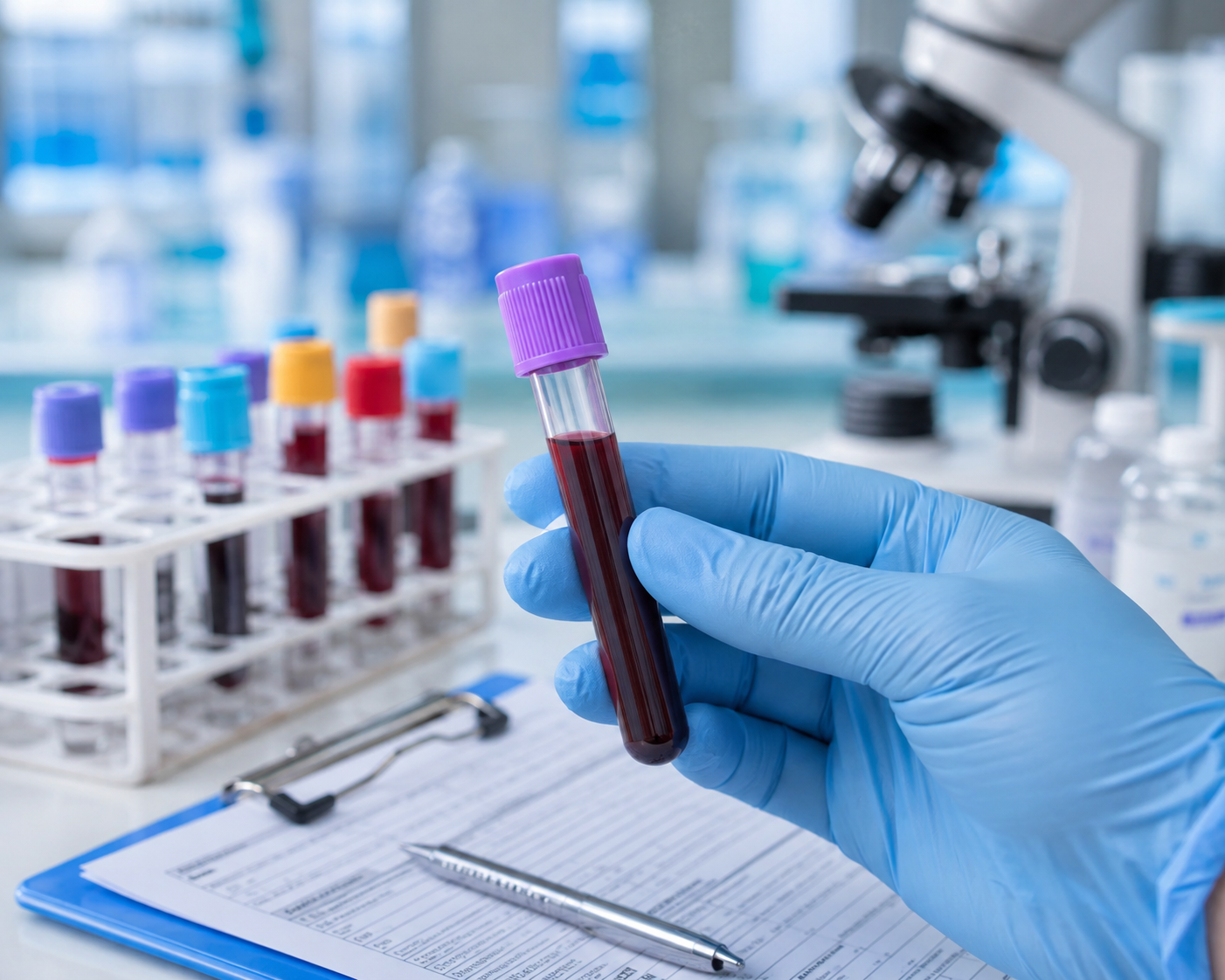
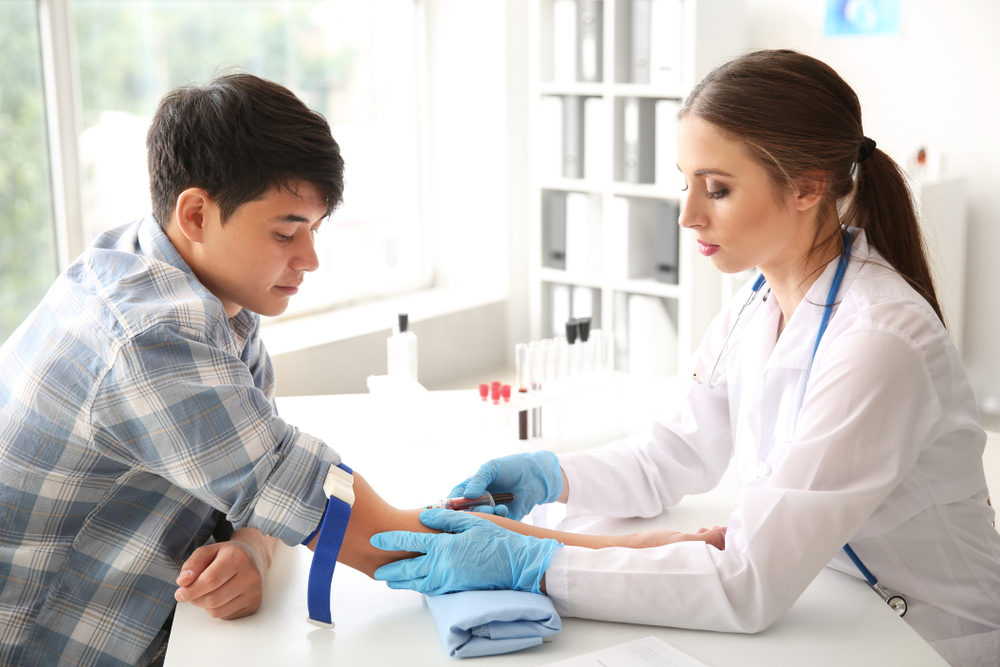
A phlebotomist places a tourniquet, cleans the site, and collects one or more tubes through a small needle in the arm. Most draws take under five minutes. The volume is modest, generally a few teaspoons total even when several panels are ordered, which is well within what your body replaces quickly. If you have a history of feeling faint, say so before you sit down. Trained phlebotomists handle it routinely by drawing you lying down.
Understanding Your Results and Turnaround Times
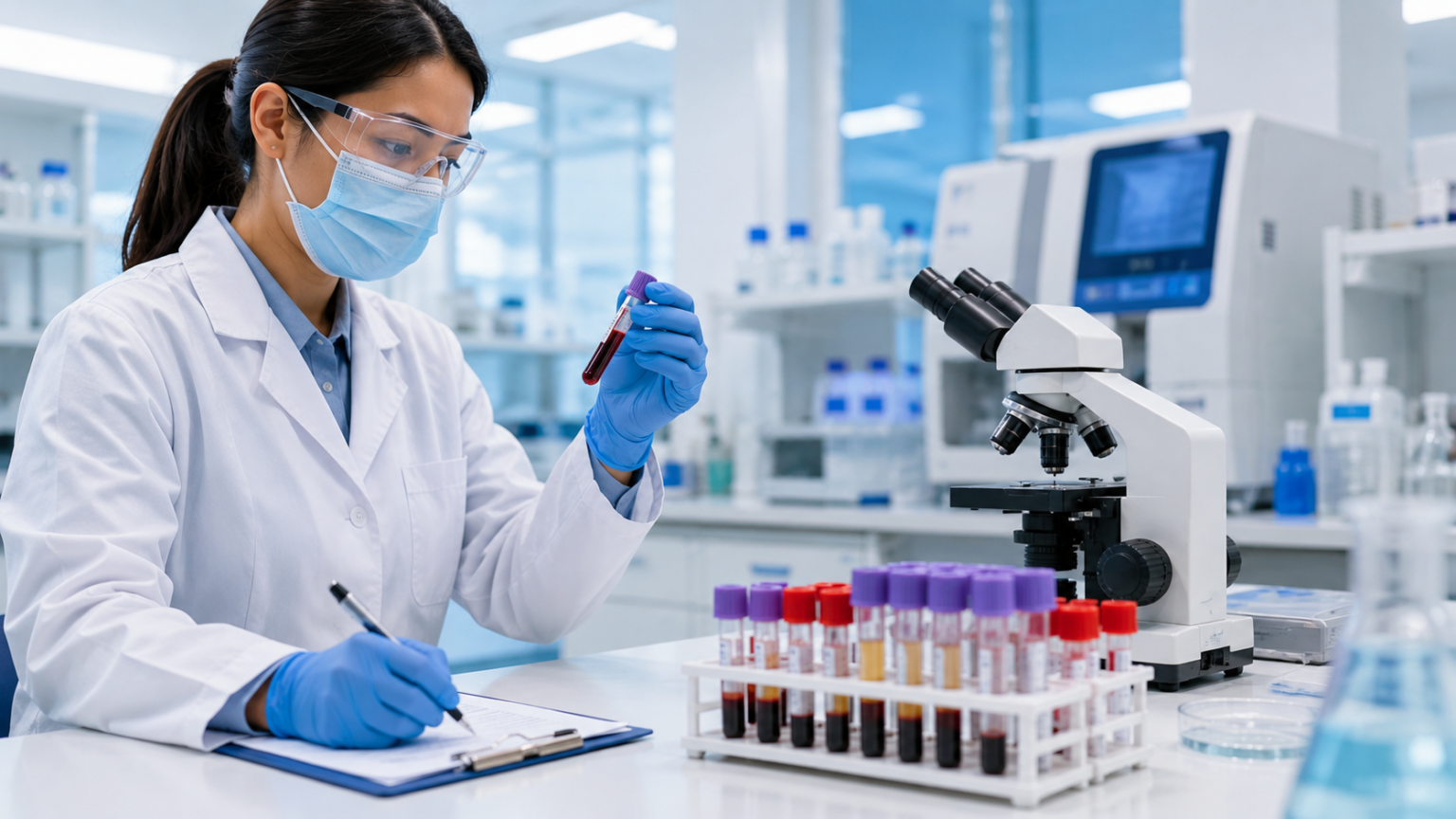
Once your sample is collected, it is labeled, transported under temperature control, and processed on automated analyzers. Results are validated by laboratory scientists and, where the test requires it, reviewed by a board-certified pathologist before release.
Most results for routine panels are available in a few hours. At Pacific Medical Laboratory, 95% of results are delivered within 24 hours, and physicians receive them directly through the clinician portal or an EMR interface. Patients can view their own results any time through the patient results portal.
When you see your report, expect three columns: your value, the reference range, and a flag if the value falls outside that range. A flagged result is not automatically a diagnosis. Reference ranges are built from population averages, so healthy people sometimes fall slightly outside them, and factors like hydration, recent exercise, illness, and medications can all shift a number temporarily. That is why physicians look at patterns across multiple markers and repeat abnormal findings before acting on them.
Why Choose Pacific Medical Laboratory
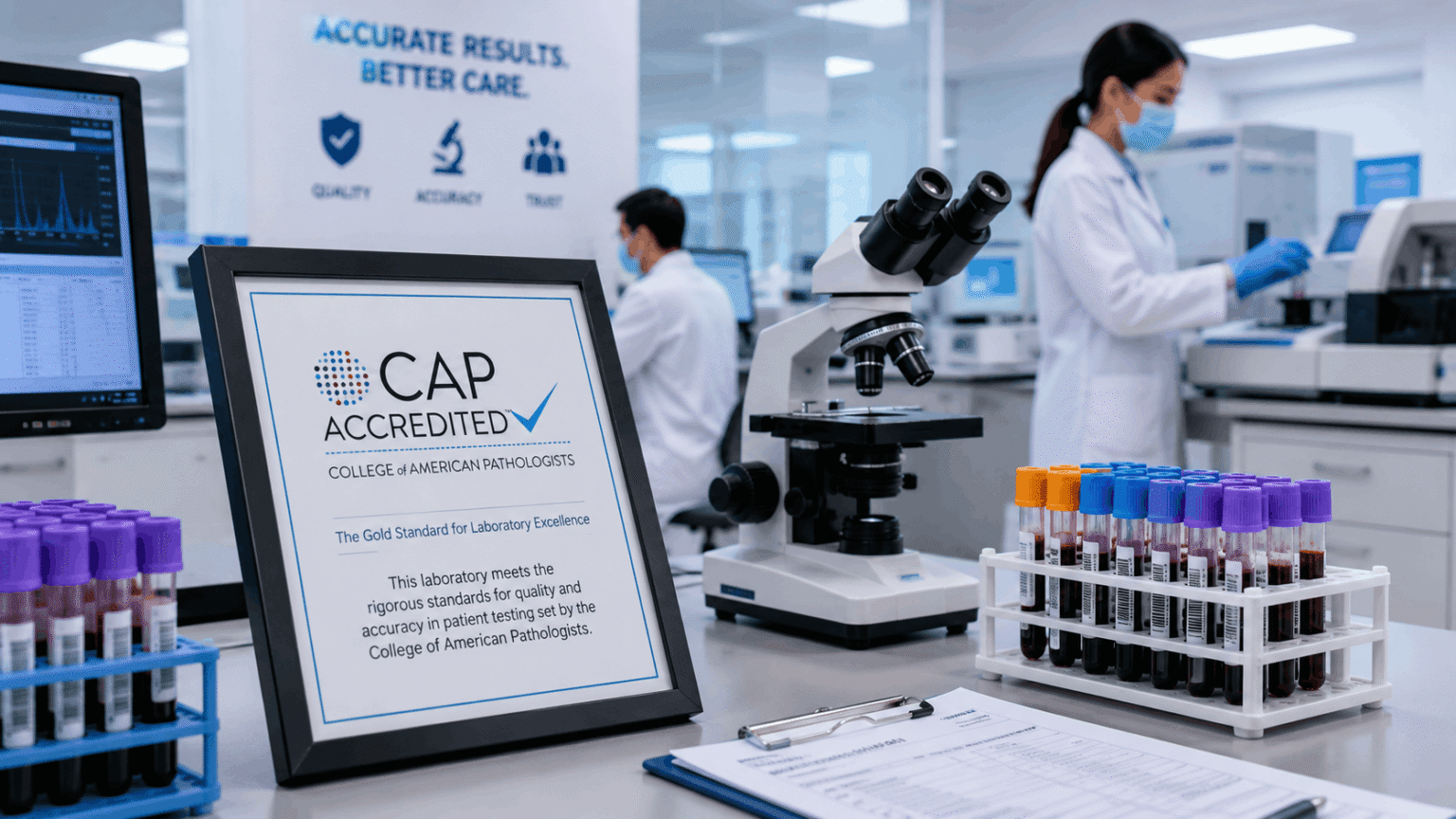
Pacific Medical Laboratory has operated out of Irvine, California for more than 17 years, processing over two million tests annually for physicians and patients across Southern California. The laboratory is CLIA Certified/Certification, which means its procedures, quality control, and personnel are inspected against one of the strictest standards in the field.
What sets the experience apart day to day:
- Fast, reliable turnaround. 95% of results are delivered within 24 hours.
- Board-certified pathologists and scientists reviewing and validating results.
- A network of 15+ patient draw stations across Southern California, so you are not driving far for a routine collection. Find the nearest one on our locations page.
- Mobile phlebotomy for homebound, elderly, and mobility-limited patients who need to be drawn at home.
- Temperature-controlled courier service with dry ice transport and after-hours lock box pickup for clinics.
- Real people answering the phone. No call center queues when you or your office needs an answer.
The Bottom Line on Blood Work
Lab testing is the closest thing medicine has to a routine status check, and its value compounds over time as your physician builds a picture of your baseline and watches how it moves. Preparing properly, testing on the schedule your physician recommends, and using a laboratory with strong accreditation and fast turnaround all make that picture more useful.
If you have an order in hand and need a draw, find your nearest Southern California draw station on the Pacific Medical Laboratory locations page, or call (714) 972-2222 to ask about mobile phlebotomy and scheduling.
Frequently Asked Questions About Blood Work
Do I need to fast before a blood test?
Only for certain tests, most commonly lipid panels and fasting glucose, which usually require 8 to 12 hours without food. Your physician’s order will specify whether fasting applies. Water is typically allowed and encouraged, since it makes the draw easier. If you are unsure, call the laboratory before your appointment rather than fasting unnecessarily.
How long does it take to get lab results?
Most routine results are available within 24 hours. At Pacific Medical Laboratory, 95% of results are delivered in that window, with physicians receiving them through the clinician portal or a direct EMR interface. Specialty and molecular testing can take longer depending on the assay. Patients can check the results portal any time rather than waiting for a callback.
How much blood is actually drawn?
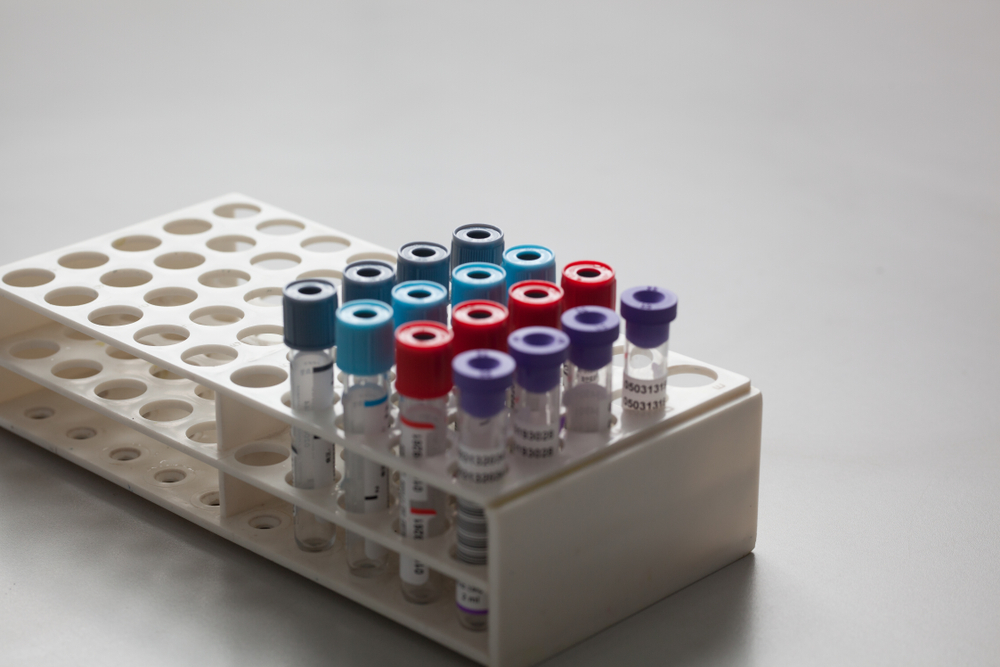
Usually just a few teaspoons, even when several panels are ordered at once. Each tube holds a small volume, and different tube types are used because different tests require different preservatives. The total is well within what your body replaces on its own within a day or two.
Can I have my blood drawn at home?
Yes, mobile phlebotomy is available for homebound, elderly, and mobility-limited patients. A trained phlebotomist travels to the patient with the proper collection equipment and transports the sample under controlled conditions. Contact the laboratory to confirm availability in your area and to schedule.
Where can I get lab testing done in Southern California?
Pacific Medical Laboratory operates 15+ patient draw stations across Southern California, with its main facility at 15 Corporate Park in Irvine. Bring your physician’s order and a photo ID. You can find the closest location and its hours on the locations page, or call (714) 972-2222 for help choosing the most convenient site.