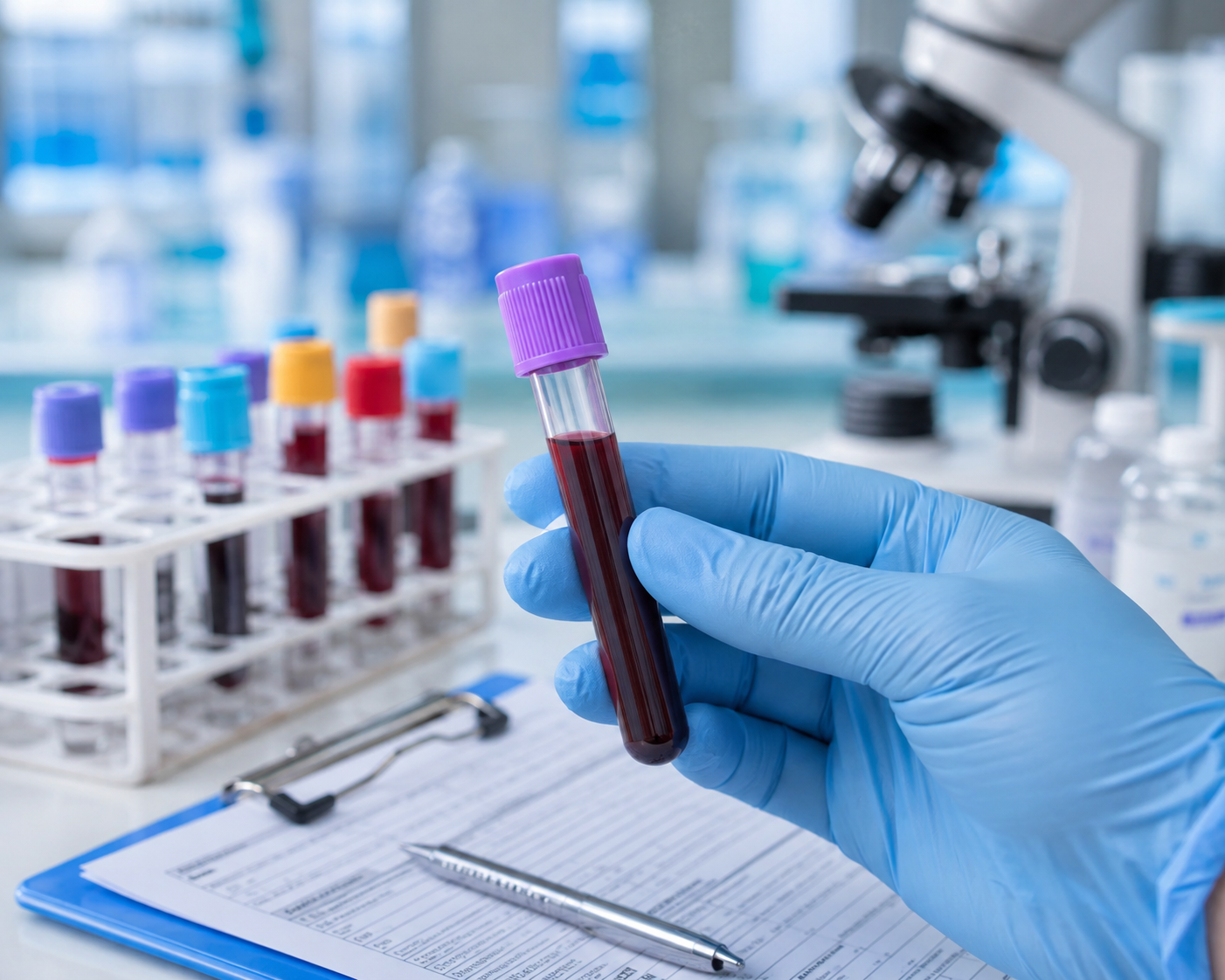

Medical laboratory testing is the process of analyzing blood, urine, or other body samples to measure substances such as glucose, cholesterol, hormones, or infection markers, providing your doctor with objective data to guide diagnosis and treatment. Whether it’s a routine annual checkup or a specialized panel ordered to investigate specific symptoms, lab testing forms the backbone of modern medical decision-making. Roughly 70% of medical decisions rely on laboratory results, which makes accuracy and turnaround time just as important as the test itself.
For patients, understanding what happens to a sample after the draw and what the results actually mean can make the experience feel less mysterious. For physicians and clinics, choosing the right lab partner affects everything from patient satisfaction to how quickly a treatment plan can move forward. This guide walks through how medical laboratory testing works, the main categories of tests, what to expect during the process, and what to look for in a lab.
How Medical Laboratory Testing Works
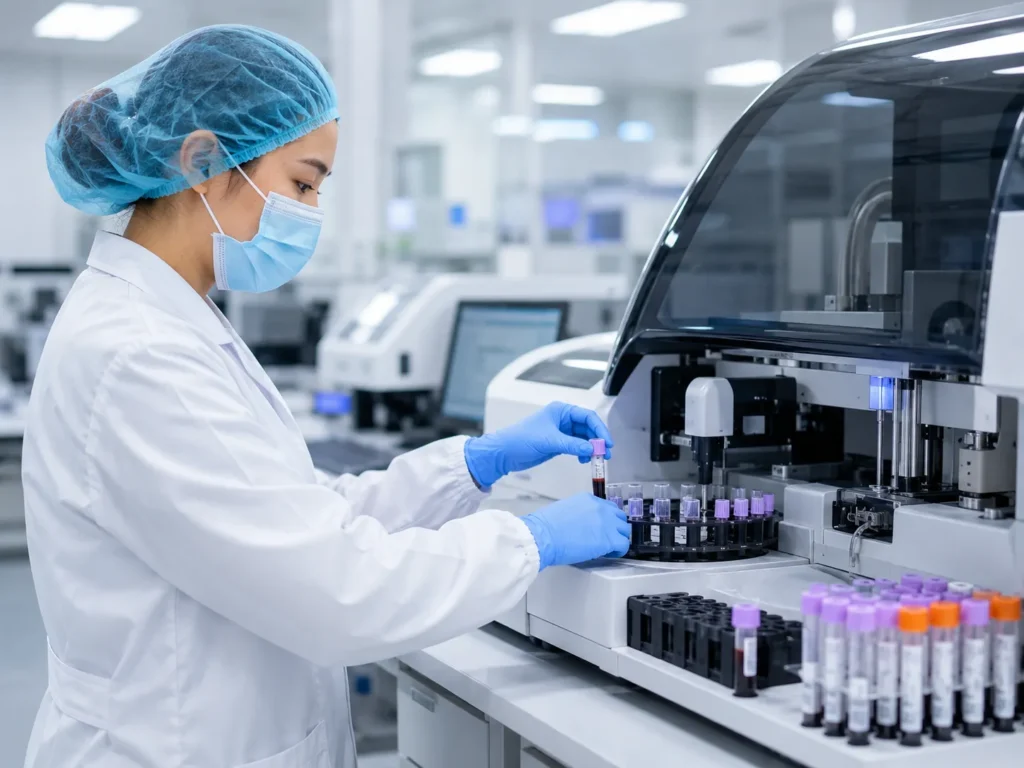
At its core, medical laboratory testing follows a consistent path: a sample is collected, transported under controlled conditions, processed on calibrated instruments, reviewed by laboratory scientists, and reported back to the ordering provider or patient. Each step has built-in quality checks to catch errors before they ever reach a result.
Specimen Collection
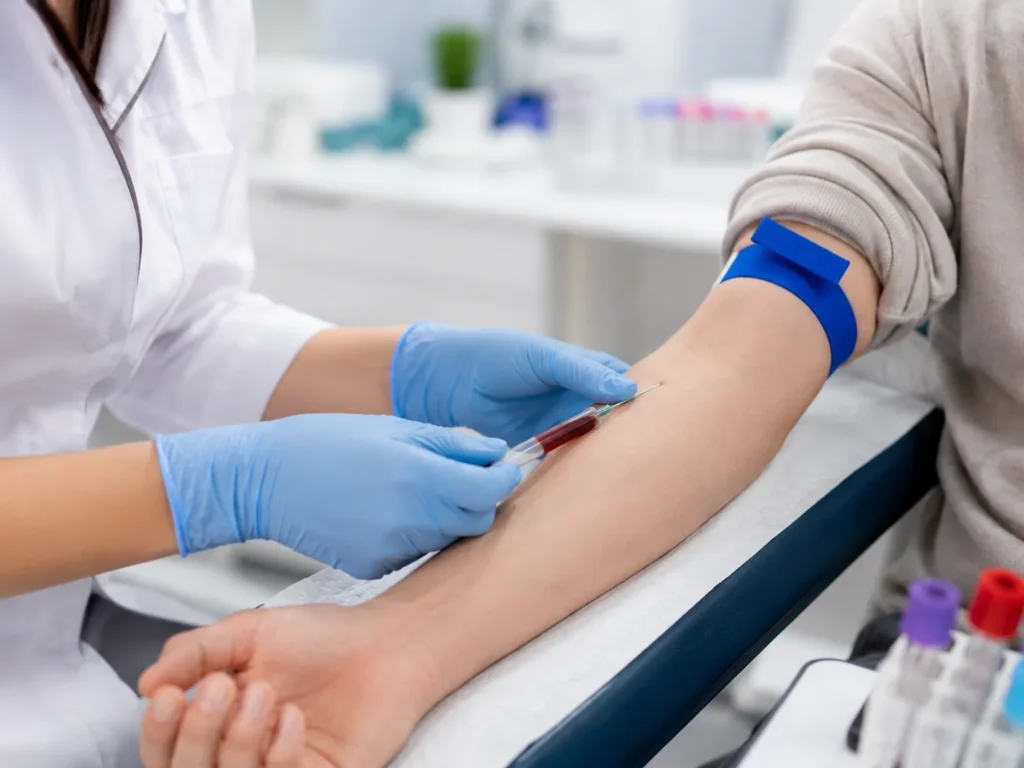
Most tests start with a blood draw, though some require urine, saliva, or other specimen types depending on what’s being measured. Trained phlebotomists follow strict protocols to make sure samples are labeled correctly and collected in the right tubes, since the wrong tube additive can compromise certain results.
Processing and Analysis
Once a sample reaches the lab, it’s run through automated analyzers designed for chemistry, hematology, immunoassay, or coagulation testing. Board-certified pathologists and laboratory scientists oversee quality control and review results that fall outside expected ranges before anything is finalized.
Reporting Results
Results are typically delivered through a secure digital portal, with critical or abnormal values flagged for follow-up. Many labs also offer EMR integration, allowing providers to view results directly within their existing workflow without manual data entry.
When Medical Laboratory Testing Is Ordered
Lab testing isn’t reserved for when something is already wrong. It plays a role across nearly every stage of care.
Routine Health Screening
Annual physicals often include a basic metabolic panel, a lipid panel, and a complete blood count to detect early signs of issues such as high cholesterol, anemia, or blood sugar abnormalities before symptoms appear.
Diagnosing Specific Symptoms
When a patient presents with fatigue, unexplained weight changes, or recurrent infections, targeted testing, such as thyroid panels, infectious disease screens, or autoimmune markers, helps narrow down the cause.
Monitoring Ongoing Conditions
Patients managing diabetes, thyroid disorders, or chronic kidney disease typically need periodic testing to track how well a treatment plan is working and adjust it as needed.
| Test Category | What It Measures | Common Reason Ordered |
| Basic Metabolic Panel | Glucose, electrolytes, and kidney function | Routine screening, medication monitoring |
| Complete Blood Count | Red cells, white cells, platelets | Anemia, infection, and general health check |
| Lipid Panel | Cholesterol, triglycerides | Cardiovascular risk assessment |
| Thyroid Panel | TSH, T3, T4 | Fatigue, weight changes, metabolic symptoms |
| Coagulation Panel | Clotting time and factors | Pre-surgical workup, bleeding disorders |
According to Mayo Clinic, a complete blood count alone can help detect a wide range of disorders, from anemia to infection to certain blood cancers, which is part of why it’s one of the most commonly ordered panels. This kind of testing should always be interpreted by a physician in the context of a patient’s full health picture, not used as a standalone diagnostic tool.
What to Expect During the Process
For patients, the unknowns around lab testing, fasting rules, how long results take, and what an abnormal flag means are often more stressful than the draw itself.
Preparing for Your Test
Some tests require fasting for 8 to 12 hours, while others have no prep requirements at all. Your provider or the lab should tell you in advance which category your test falls into, and it’s worth asking directly if you’re unsure.
During the Draw
A typical blood draw takes just a few minutes. Mentioning prior issues with veins or needles to your phlebotomist ahead of time can help them adjust their approach and make the experience smoother.
Getting Your Results
Turnaround time varies by test complexity, but routine panels are often available within 24 hours. You can find a trusted overview of what your results mean and how to read reference ranges through MedlinePlus, though your provider remains the best resource for interpreting what your specific numbers mean for your health.
Why Choose Pacific Medical Laboratory
Pacific Medical Laboratory has provided CLIA-accredited medical laboratory testing to Southern California for over 17 years, processing more than 2 million tests annually while maintaining the responsiveness of a boutique lab. We deliver 95% of results within 24 hours, backed by board-certified pathologists and scientists who review every step of the process.
Patients can choose from 15+ draw stations across Southern California or arrange for a licensed mobile phlebotomist to visit homebound or elderly patients who can’t easily travel to a draw site. For physicians and clinics, we offer temperature-controlled courier pickups with dry ice transport and after-hours lock box service, paired with seamless EMR integration and a 24/7 digital results portal. And when you call, you reach a real person, not a call center queue.
Browse our full lab test menu to see the range of core and specialty panels available, or use our test finder tool to locate a specific test by name.

Getting Accurate Results with Medical Laboratory Testing
Reliable medical laboratory testing depends on more than just good equipment. It depends on careful specimen handling, rigorous quality control, and a lab that communicates clearly with both patients and providers. Whether you’re scheduling a routine panel or coordinating specialty testing for a patient, the right lab partner should make the process feel straightforward from draw to results.
Find a draw station near you or contact our team to schedule your next test with Pacific Medical Laboratory in Irvine, CA.
Frequently Asked Questions: Medical Laboratory Testing
Most routine results are available within 24 hours. Specialty or send-out tests may take longer depending on the complexity of the analysis, so it’s a good idea to ask your provider for an estimated timeline when the test is ordered.
It depends on the test. Panels such as basic metabolic panels or lipid panels often require 8 to 12 hours of fasting, while many other tests require no preparation at all. Your provider or the lab can confirm which category applies to you.
Basic panels screen general health markers, while specialty panels target specific conditions. A basic metabolic panel checks levels of substances like glucose and kidney function, whereas a specialty panel might focus on hormones, tumor markers, or autoimmune activity.
In most cases, a physician’s order is required for diagnostic testing. This ensures that results are interpreted in the context of your overall health and that any necessary follow-up is properly coordinated.
Pacific Medical Laboratory in Irvine, CA, offers testing at 15+ draw stations across Southern California. Visit our locations page to find the draw station closest to you.